credits to: Unicef Philippines (https://www.youtube.com/watch?v=fqqFhnnqAHk) embedded by: Thirdy Priscila
Schools not only impart k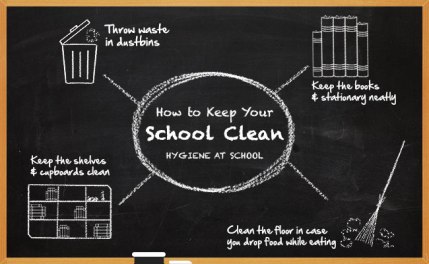 nowledge, but also play a major role in shaping the personality of an individual. What a student learns in school is not just confined to the four walls of a classroom but the whole school environment is a source of knowledge. Apart from knowledge, a student learns lessons of discipline, honesty and cleanliness from school and therefore, it is important for a school to maintain a hygienic atmosphere.
—————————————————————————————————————————————–
Here are tips for hygiene in school:
—————————————————————————————————————————————–
TIP 1: MAKE HYGIENE FUN AND EXCITING
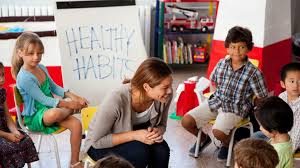
Kids are likely to adopt hygienic habits if they enjoy doing them. Through co-curricular activities and inter-house competitions conducted in schools, the importance of hygiene can be conveyed in a fun and competitive manner.
—————————————————————————————————————————————–
TIP 2: HAND-WASHING IS A MUST
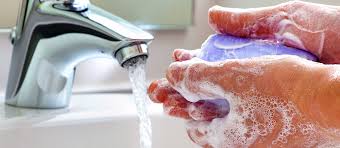
Hand washing is an integral aspect of good hygiene. To eliminate contracting germs after playing outside or when in close contact with animals or someone who might be ill, it is essential to teach kids to wash their hands thoroughly and scrubbing their hands with antiseptic cleansers, especially after using the washroom.
—————————————————————————————————————————————–
TIP 3: GROOMING THEIR FINGERNAILS
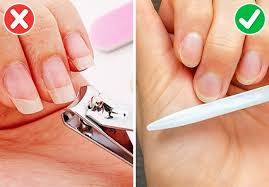
Fingernails are a breeding ground for bacteria. The germs that live under a child’s nails are easily transferred to their eyes, nose, and mouth. Ensure that students’ fingernails are clipped every week.
—————————————————————————————————————————————–
TIP 4: ORAL HYGIENE
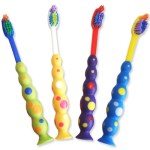
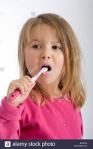
Proper brushing and flossing is a learned skill that can only be improved by practice. This type of oral hygiene needs to be instilled in students at an early age.
—————————————————————————————————————————————–
TIP 5: HANDKERCHIEF IS THEIR BEST FRIEND
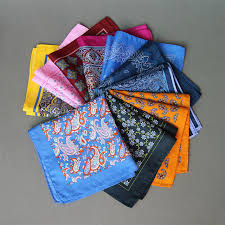
A handkerchief should be a child’s best friend. Children should be taught to cover their mouth and face, using either a handkerchief or a tissue, while coughing and/or sneezing.
—————————————————————————————————————————————–
TIP 6: KEEPING TOYS IN THE PLAYROOM GERM-FREE
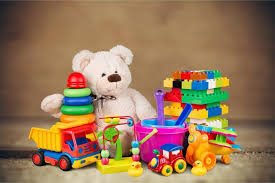
A child’s favourite stuffed toy or blanket may carry germs. Make sure it is washed with other toys regularly.
—————————————————————————————————————————————–
TIP 7: CLEANING OF CLASSROOM FURNITURE


Regular cleaning of classroom furniture will ensure a bug-free learning and teaching environment. Classrooms must be vacuumed and mopped every day.
—————————————————————————————————————————————–
TIP 8: FOOT HYGIENE
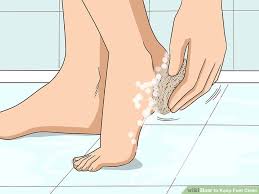
Sweaty feet, also known as athlete’s foot, can cause fungal infection. Kids should use cotton-lined socks instead of synthetic fibers along with leather and canvas shoes, to allow feet to breathe.
TIP 9: DEALING WITH ILLNESS
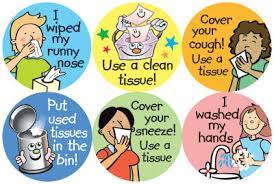
Children should only attend school if they are well enough to benefit and participate. This will also reduce the chance of illness spreading.
—————————————————————————————————————————————–
TIP 10: STOP BAD HABITS
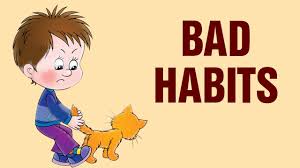
Remind kids of the importance of practicing good hygiene. Explain that, although germs may not be visibly present, they are still found in air particles and can make them sick.
—————————————————————————————————————————————–
TIP 11: QUALITY, CLEANLINESS, AND VALUE > LIBRARY
by: Van Somalinog
Cleaning the books in a circulating collection extends their useful life. Regular cleaning reduces mold and insect infestation, abrasion and wear, and acid degradation. The frequency of cleaning will depend on how rapidly dust and dirt accumulate in storage. It is important to note that despite the benefits, cleaning procedures can damage fragile bindings, brittle pages, and flaking leather.
CLEANING: “Books & Shelves”
► BOOKS: Cleaning the books in a circulating collection extends their useful life. Regular cleaning reduces mold and insect infestation, abrasion and wear, and acid degradation. The frequency of cleaning will depend on how rapidly dust and dirt accumulate in storage. It is important to note that despite the benefits, cleaning procedures can damage fragile bindings, brittle pages, and flaking leather.
► SHELVES: Improper cleaning is potentially damaging and storage without cleaning creates conditions hazardous to collections, informed, careful cleaning is the course that will most prolong the useful life of a collection.
——————————————————————————————-
TIP 12: CLEANING CANTEEN FOR ALL
by: Jowee Tan
Keeping your kitchen clean should be a factor every canteen owner needs to keep. Because it is a big factor on our safety and also for the stable business that we all want. We should take this responsibility seriously because it involves in this corner foods that we all need daily.
~ S A F E T Y ~
There should be a weekly inspector to make sure that we eat quality and clean products to make sure of our safety and to prevent diseases.
credits to: Teaching and Learning in South Australia /https://www.youtube.com/watch?v=woEdm4YolJI
by Jowee Tan
—————————————————————————————————————————————–
TIP 13: CLEANING COMFORT ROOMS
by: Thirdy
Comfort room safety is a must. We are all aware of the line which says that Cleanliness is next to godliness. Toilet cleanliness is very important for all the human beings. It is the place from where all the germs and bacteria start their attacks on the human body. That is the reason why the toilets need to be sanitized daily. People spend most of their time at the school and this makes the school toilets more unclean than the others. Unclean toilets can affect the productivity and can cause various illnesses as well. That is why we all need clean toilets in office to stay away from these unwanted troubles.
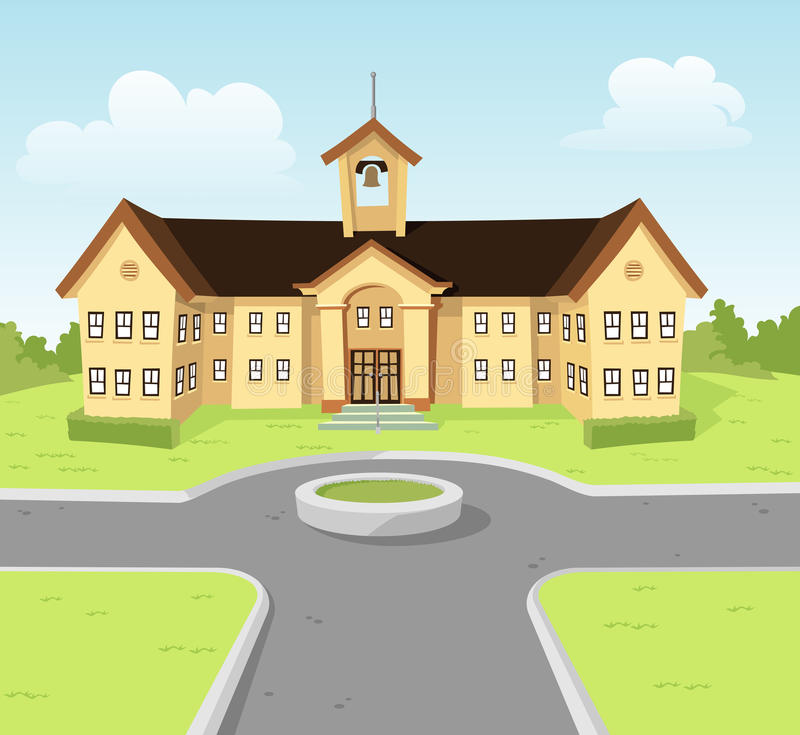
TIP #17: Keeping and Mainting our SchoolGrounds Neat & Clean
Keeping the school ground neat and clean makes the school more representable. School grounds shows the representation of school and by keeping this hygiene the student will be more safe from viruses & disease. Clean & Neat school grounds attracts people for its environmental
TIP TO HAVE CLEAN SCHOOL GROUNDS:Put a trashbin (Biogredable & non-biogredable)
by: Mathew Constantino POGI

 Hygiene in the School